
If you run a business that depends on a steady, well-priced supply of power, you’ll know that electricity in Ireland doesn’t simply flow to your meter at a fixed rate. Behind every kilowatt-hour sits a market, and behind that market sits a chain of trades between generators, suppliers, and the traders who connect them.
Understanding how that chain works and where electricity trading fits into it helps explain why so many corporations and large energy users are now looking more closely at route-to-market strategy rather than leaving it to chance.
As a trusted partner to corporate energy users, generators and suppliers across Ireland and Europe, Captured Carbon helps businesses navigate these markets through electricity trading and route-to-market services. Understanding how generators and suppliers trade electricity provides useful context for the commercial decisions involved.
A Brief About the Irish Electricity Market
Electricity across the island of Ireland is bought and sold through the Integrated Single Electricity Market, known as I-SEM. It brings Northern Ireland and the Republic together into one wholesale market, aligned with the broader European framework for electricity trading.
Within I-SEM, trading happens across several time horizons:
- Forward markets, where generators and suppliers agree prices months or years ahead, often to manage long-term risk.
- Day-ahead markets, where volumes and prices are set the day before delivery, based on expected demand and generation.
- Intraday markets, which allow adjustments closer to real time as weather, demand, or plant availability shifts.
- Balancing markets, run by EirGrid and SONI, which keep the system stable in the final hour before delivery.
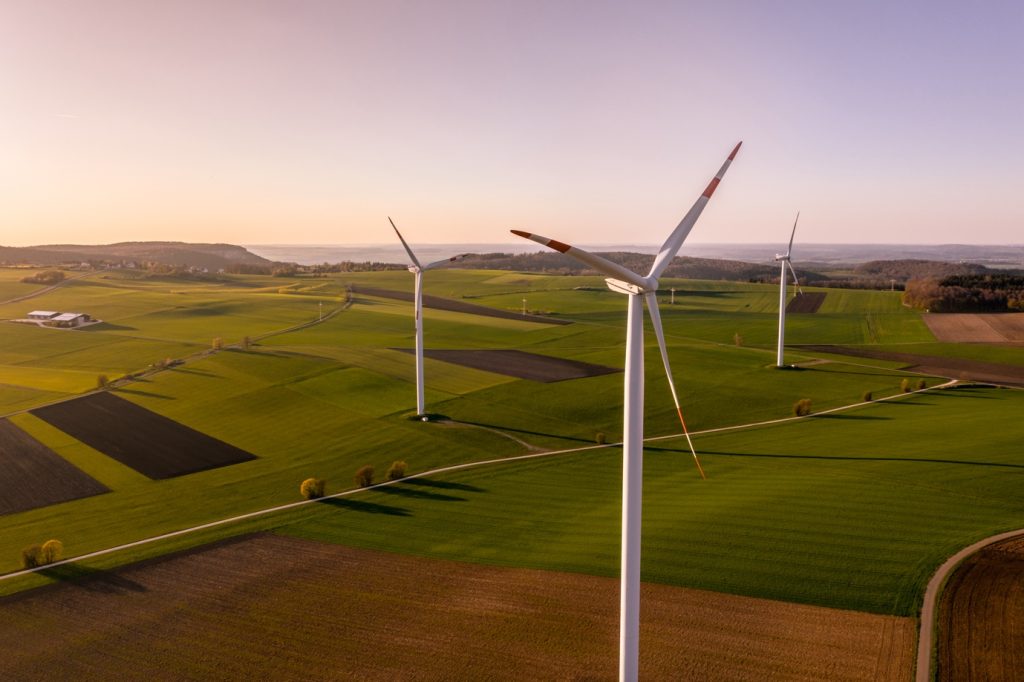
A generator producing wind or solar power doesn’t know exactly how much electricity it will produce until close to real time, since output depends on weather. A supplier, in turn, needs to match the electricity it’s buying with what its customers actually use. Electricity trading is what bridges that gap, moving volumes between the two sides as forecasts firm up and conditions change.
How the Trade Between Generators and Suppliers Actually Works
At its simplest, a generator has electricity to sell, and a supplier needs electricity to sell on to homes and businesses. Between them sits the trading desk, working across the markets above to match supply and demand at the best available price.
A few things shape how this plays out in practice:
- Price risk runs both ways. Generators need certainty on their revenue, especially for renewable assets backed by long-term financing. Suppliers want certainty about what they will pay, particularly with volatile gas prices still having an effect on the wholesale electricity price. Fixed-price contracts and commercial Contracts for Difference help both sides manage that risk.
- Forecasting drives timing. Wind and solar output can shift hour to hour, so trades are refined as forecasts improve, from months out down to the day-ahead and intraday windows.
- Route to market matters as much as the price itself. A generator without an active trading arrangement may be exposed to imbalance cost or missed value when output doesn’t match its forecast. A structured route-to-market approach manages that exposure across all the relevant markets, not just one.
- Corporate buyers add another layer. Corporate Power Purchase Agreements let a business agree to a long-term electricity price directly with a generator, often for renewable output, giving both sides more predictability than relying on the spot market alone.
Corporate buyers add another layer. Corporate Power Purchase Agreements let a business agree to a long-term electricity price directly with a generator, often for renewable output, giving both sides more predictability than relying on the spot market alone.
For a corporate energy user, this matters even if you’re not directly trading power yourself. The price on your energy bill reflects all of this activity upstream, and how well your supplier or PPA counterparty manages their own trading position can influence the stability of what you’re charged.
Why Route-to-Market Support Is Becoming More Relevant for Corporates
Energy has moved up the agenda for a lot of Irish businesses over the past few years, and not just because of cost. Sustainability commitments, reporting obligations, and a general wish for more predictable budgeting all play a part. For a corporate looking at its energy strategy, a few questions tend to come up:
- Should electricity be sourced through a traditional supplier, a corporate PPA, or a mix of both?
- How exposed is the business to short-term price swings, and is that an acceptable level of risk?
- Where do renewable sourcing and reporting requirements, such as Guarantees of Origin, fit into the picture?
- Is there value in exploring capacity market participation or setting up a dedicated supply arrangement for larger sites?
Working through these questions usually benefits someone who trades across the Irish and UK markets day to day, rather than trying to interpret I-SEM data in-house. Captured Carbon works with corporate energy users, generators, and suppliers across Ireland and Europe on exactly this kind of electricity trading and route-to-market planning, drawing on a trading desk that operates across Day-Ahead, Intraday, Balancing, and Forward markets.
The Role of a Reliable Trading Partner
A trading partner doesn’t replace the market but navigates it. For a generator, that might mean securing a fixed-price or CfD arrangement so revenue doesn’t swing with every change in wind output. For a supplier, it might mean managing a balanced position across forward and intraday markets to avoid unnecessary imbalance costs.
For a corporate buyer, it might mean structuring a PPA that aligns with sustainability targets while keeping budgeting realistic. None of this removes market risk entirely, since electricity prices will always move with weather, demand, and wider gas and carbon markets.
What it does is give each party a clearer, more considered position within that market, rather than reacting to it after the fact.
Frequently Asked Questions
Prices are set across several trading windows rather than a single point in time. Forward contracts are agreed upon well ahead of delivery, and then day-ahead and intraday markets allow both generators and suppliers to adjust volumes as weather forecasts and demand become clearer. The final balancing step, run by EirGrid and SONI, corrects any last-minute mismatch. This layered approach is what allows a variable resource like wind to be traded with reasonable confidence.
A standard supply contract is usually shorter term and linked to the wider market or a tariff structure set by the supplier. A corporate PPA is a longer-term, direct contract with a generator, often of renewable output, which can provide more certainty on pricing over several years and a clearer link to sustainability reporting. The best choice for a business will depend on its risk appetite, volume of energy, and reporting requirements.
A PPA sets the commercial terms for a generator's output, but the physical electricity still needs to be traded into the market in real time, since actual output rarely matches forecast exactly. A route-to-market arrangement manages that difference, balancing positions across day-ahead, intraday, and balancing markets so the generator isn't exposed to unnecessary imbalance costs alongside its PPA.
As more wind and solar capacity connects to the grid, output becomes less predictable further in advance, since it depends on weather rather than a controllable input like gas. This tends to push more activity toward closer-to-real-time trading, such as intraday and balancing markets, and increases the value of accurate forecasting and flexible route-to-market arrangements for both generators and the suppliers buying their output.
Trading activity occurs at a market level, not at the size of the business, so the price stability and renewable sourcing options that are available through it are not the preserve of the biggest users. Mid-sized businesses with high energy spend or specific sustainability targets can also benefit from exploring PPAs, supply arrangements, or route-to-market advice, particularly where energy costs are an increasingly large proportion of overheads.