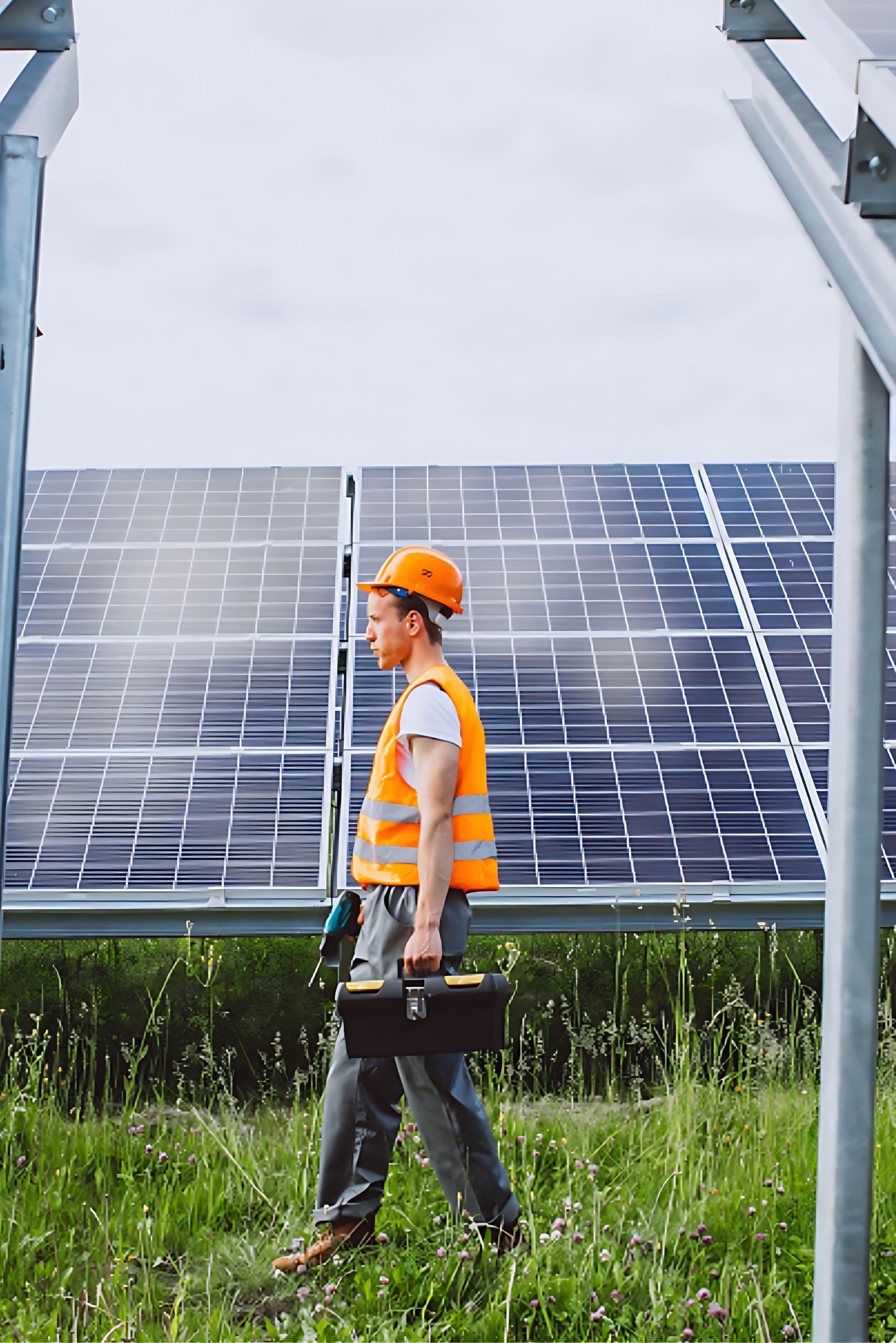
Renewable energy

Power Purchase Agreement (PPA)

We design and strategise long-term, fixed-price Power Purchase Agreements (PPAs) between renewable generators and large corporate energy users (LEUs). Our expertise as energy market traders and intermediaries in Ireland lies in the commercial integration of renewable energy solutions.

Power Purchase Agreements for De-Risking Projects in the Irish Renewable Sector

As Irish renewable projects move toward market-based commercial models rather than just relying on government support schemes, PPAs act as a crucial hedge against electricity price volatility. Growing complexities of operating within the Integrated Single Electricity Market (I-SEM) drive renewable energy developers and asset owners to seek a strategic partner who can help them outmanoeuvre price volatility, regulatory shifts, and off-take structuring. 

 As an established electricity trader and consultant, Captured Carbon forms the bridge between renewable generation and corporate demand. We provide bankable routes to market, ensuring that renewable assets are not only operational but also commercially optimised for long-term viability. 

Common Challenges in Power Purchase Agreements

In the Irish market, Captured Carbon highlights that the “contract structure” and “risk allocation” are often the most significant bottlenecks in finalising power purchase agreements due to a lack of standardised documentation.

Managing operational expenses is a critical challenge as energy demand grows, especially for energy-intensive sectors like data centres. Large energy users (LEUs) must navigate fluctuating wholesale prices while trying to lock in long-term contracts to secure predictable costs through Captured Carbon

Navigating complex and evolving climate policies, such as carbon reduction goals and stringent environmental standards, often comes at a high cost. Understanding the regulatory landscape is crucial for staying compliant and ensuring future growth.

As Ireland shifts toward a higher share of wind and solar power, LEUs face the technical difficulty of integrating these intermittent sources into their energy mix. Maintaining grid stability and ensuring 24/7 access to power are essential for continuous operations.

How Captured Carbon Helps with Bankable Power Purchase Agreements (PPAs)

A value-driven power purchase agreements can address four primary risks: Price, Volume, Profile, and Imbalance. At Captured Carbon, we renegotiate pricing models and tailor specific strategies to align the project’s financial requirements and the developer’s risk appetite.

The most straightforward approach to bankability is a fixed-price PPA, which provides a set Euro-per-MWh rate for the duration of the contract. This shields the developer from wholesale market crashes but limits the “upside” if market prices soar.

Most renewable PPAs in Ireland are Pay-as-Produced, meaning the off-taker buys whatever the wind or solar farm generates. More advanced Pay-as-Nominated structures are coming out, though. In these, the generator agrees to a certain delivery profile, which means they need to be able to trade and predict the future.

This hybrid model allows developers to benefit from high market prices (a percentage of the Day-Ahead Market price) while ensuring a “floor” price is maintained to cover debt service obligations.

Our Services for PPAs 

Merchant PPA

This is a flexible short-term arrangement (1–5 years) where electricity generated by an independent power producer is sold into the open market rather than through a fixed contract. Prices are market-driven, allowing generators to benefit from potential increases while taking on greater revenue risk, with earnings depending on demand and electricity pricing dynamics.

Corporate PPA (CPPA)

A private company buys electricity directly from a renewable energy generator instead of a utility to meet its sustainability goals while keeping its energy costs stable for 10 to 20 years.

Sleeved PPA

A type of physical corporate PPA where a utility acts as an intermediary. The utility “sleeves” (moves) the physical power from the generator through the grid to the buyer’s site. The buyer pays the generator for the power and pays the utility a sleeving fee for balancing and delivery services.

Virtual PPA (VPPA) / Financial PPA

A purely financial contract where no physical electricity is delivered to the buyer. The generator sells power on the open market, and the buyer and the generator exchange the price difference between the market rate and a fixed strike price. The buyer receives the Renewable Energy Certificates (RECs). 

Essential Pricing Insights

Industries We Support

Gas Decoupling

I-SEM is decoupling from gas-linked pricing. As renewable penetration grows, PPA rates increasingly reflect technology-specific capture prices rather than volatile and unpredictable fossil fuel trends.
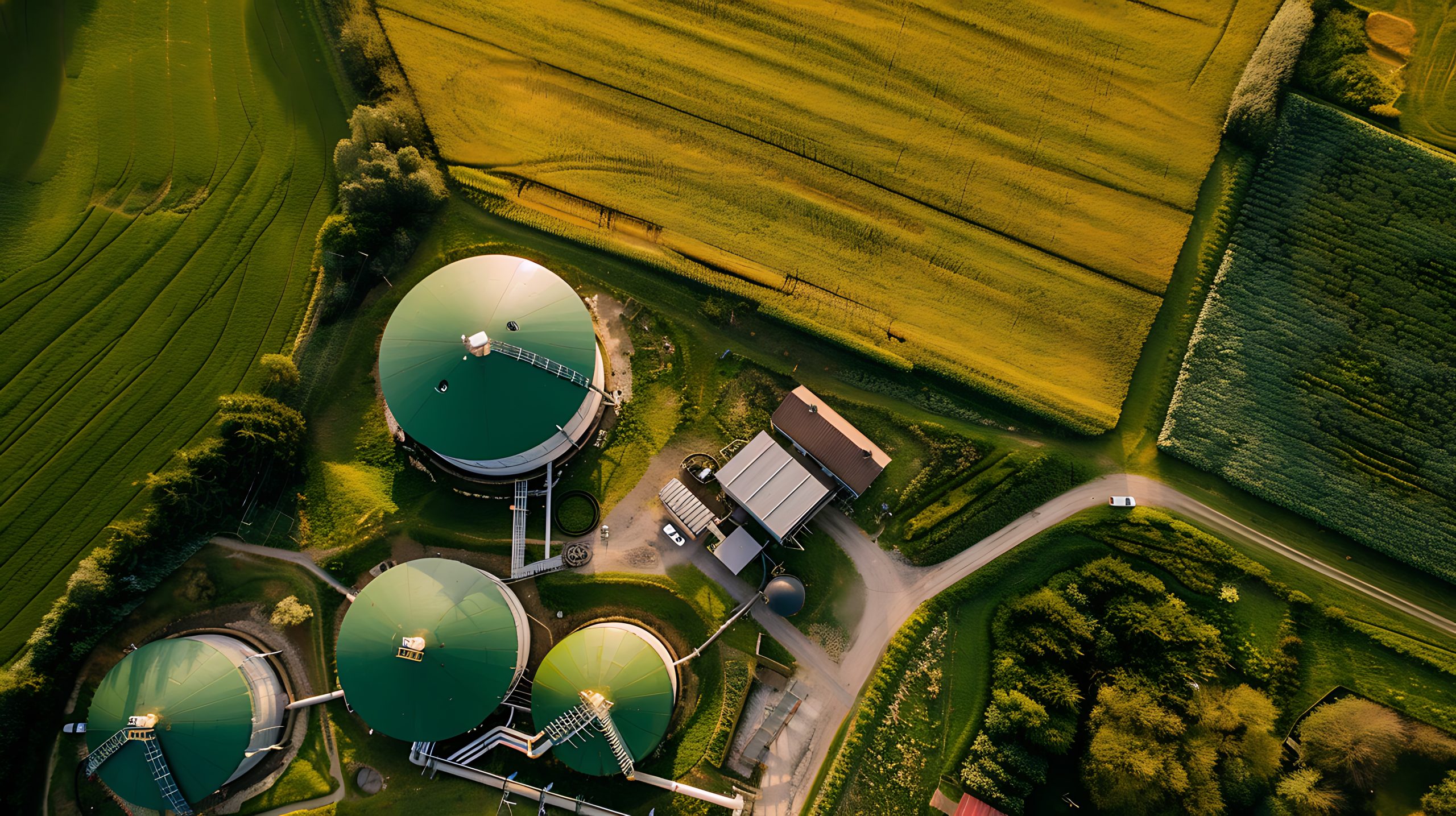
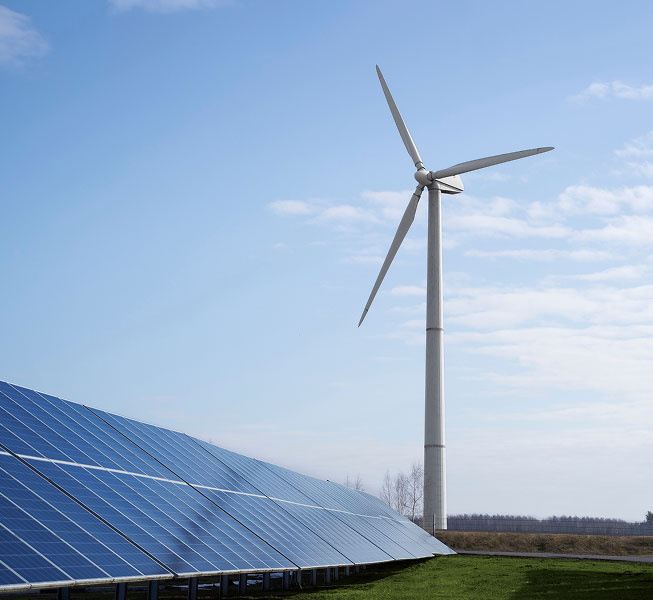
Gas Decoupling
Cannibalisation Risk

High wind and solar output can depress wholesale prices during peak generation. Strategic power purchase agreements must account for cannibalisation risk to ensure revenue stability.

Green Premium Value

The value of Irish GoOs is rising significantly. Corporate demand for locally sourced, 24/7 carbon-free energy allows developers to command a green premium over wholesale.
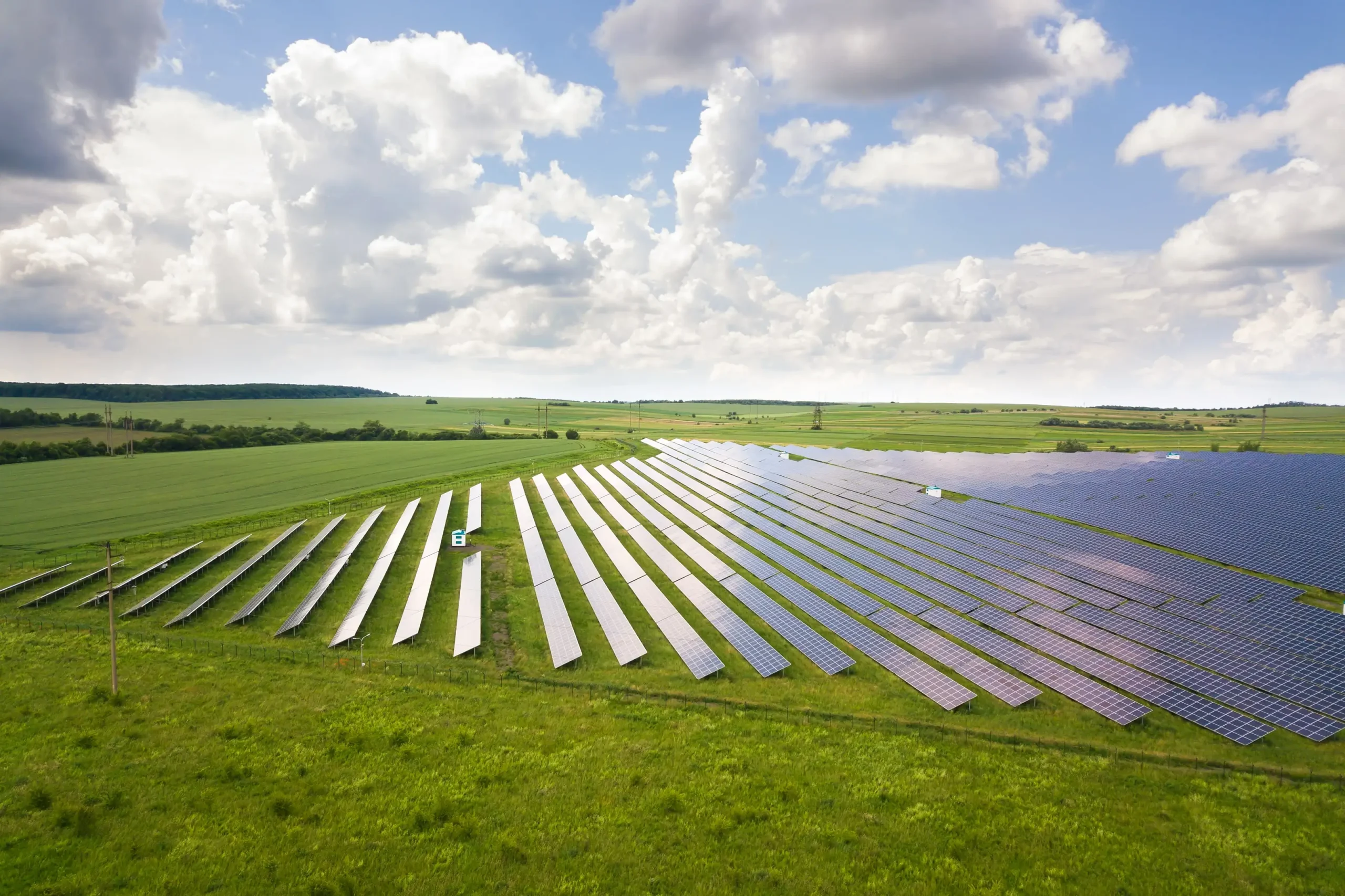

Green Premium Value
Interconnection Impact

New interconnectors and the Celtic link will integrate I-SEM further with Europe. This evolution creates new pricing dynamics for exports and ancillary system service revenues.

Why Choose Captured Carbon for Developing Renewable Energy PPAs in Ireland?

We are experts in the Irish Integrated Single Electricity Market (I-SEM) and can help you navigate its technical and regulatory challenges for structuring ideal Power Purchase Agreements. We ensure the proper integration of your asset and its adherence to the rules, even in the face of changes. 

We design our PPA structures with project financing in mind. We develop “bankable” routes to market that satisfy the rigorous risk-assessment requirements of Irish and international lenders, securing your project’s long-term viability.

From price volatility to “imbalance costs” and curtailment, we proactively manage the four pillars of renewable risk. Our trading desk uses sophisticated forecasting to protect your revenue and optimise every MWh produced.

We act as the vital bridge between renewable developers and corporate energy users. Our deep network allows us to originate and negotiate tailored agreements that align generator output with the specific ESG and commercial needs of large-scale off-takers.

With expertise in Guarantees of Origin (GOs), we provide the strong verification crucial for modern sustainability reports. Clear, traceable data backs 100% renewable claims, ready for an audit.

Our Process

We model location-adjusted capture prices using I-SEM nodal data and assess curtailment exposure in constrained grid regions. For assets exiting REFIT or RESS, we map the subsidy cliff and build a credible path to a market-competitive private contract.

A grid-constrained onshore wind farm in Connacht faces a materially different risk profile to a co-located solar-plus-storage project in Leinster. We evaluate the full spectrum of structures and model the revenue and risk trade-offs to deliver a sustainable strategy.

Assets are matched with the ideal buyer by leveraging our extensive network of LEUs, utility partners and corporate buyers. Whatever your energy demand, ESG goal or credit profile, we will find a sustainable solution.

We lead on all key commercial terms: the strike price, pricing mechanism, curtailment risk allocation, and GO transfer provisions. Bankability is non-negotiable. Every structure we design satisfies the risk-assessment requirements of Irish and international lenders.

We handle I-SEM registration, trading interfaces, and settlement protocols from day one. Our trading desk then operates year-round, monitoring imbalance costs, conducting monthly reconciliations, and managing GO issuances—so your asset stays commercially optimised as market conditions evolve.

Get in touch for a consultation or energy review:

FAQs for RESS Developers

A: Most bankable PPAs range from 10 to 15 years for new assets. Shorter "bridge" PPAs (1–5 years) are common for assets exiting schemes like REFIT.

A: The main differences between the two are the nature of delivery, grid location and structure. A Physical (sleeved) PPA is about the "physical" delivery of renewable electricity – it is usually managed by a utility and distributed to the buyer's site via the grid. A Virtual PPA (vPPA), on the other hand, is a purely financial contract (contract-for-difference) where electricity is sold into the spot market, and only the financial and environmental attributes (RECs) are transferred.

A: Prices are influenced by wholesale forecasts, technology capture prices, and off-taker creditworthiness.

A: It means that a company's promise makes it possible to build a new renewable project that wouldn't have been built otherwise.

A: We apply advanced forecasting and real-time trading desk operations to keep the difference between predicted and actual output as small as possible and prevent unnecessary penalty costs.

A: Yes. We assist asset owners in moving from fixed subsidies to market-competitive private contracts as government support ends.

A: We negotiate clauses and shared-risk approaches to manage output reductions requested by EirGrid, maintaining project bankability even in constrained regions.

Scroll to Top