Biomethane in Ireland
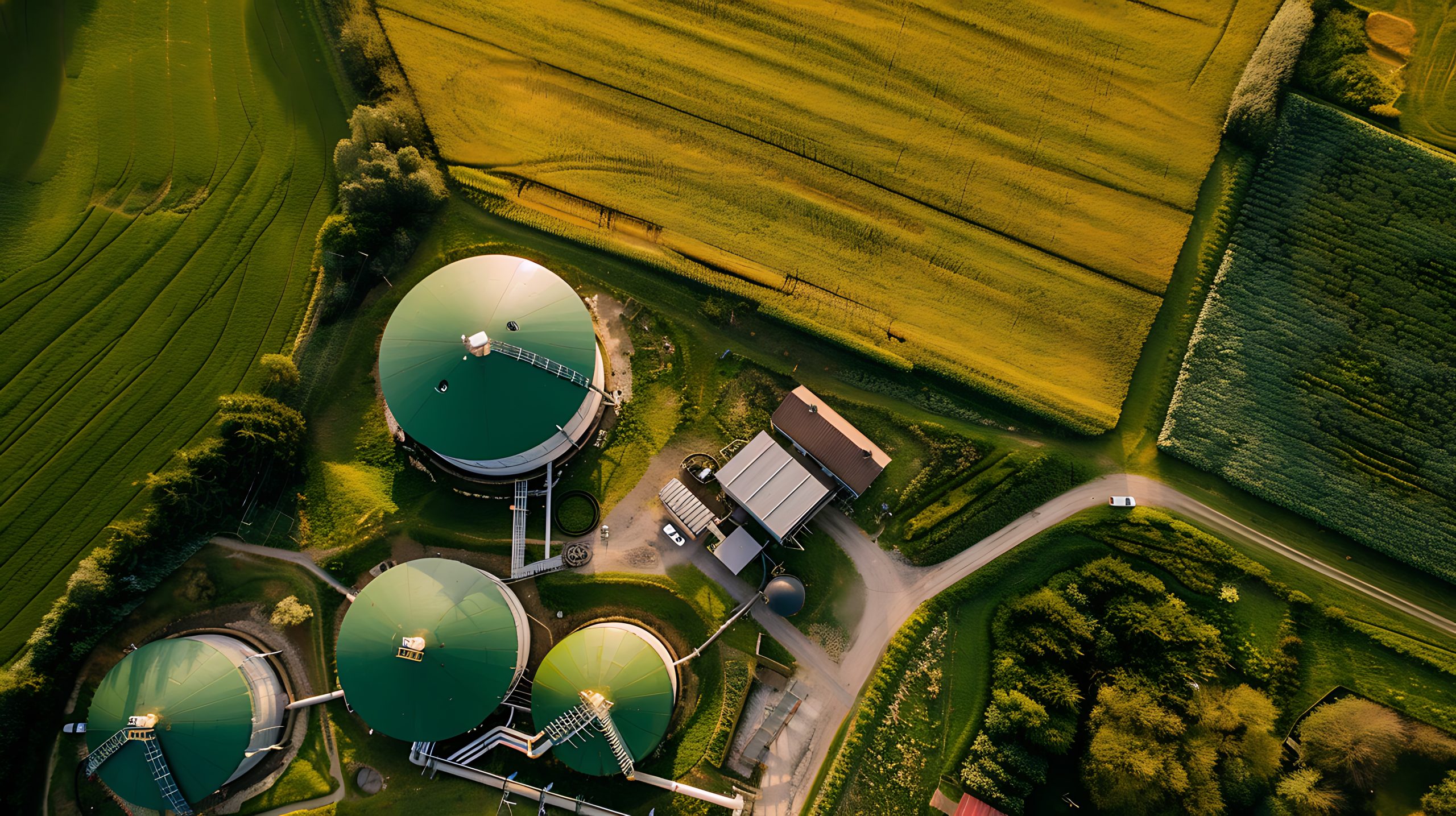
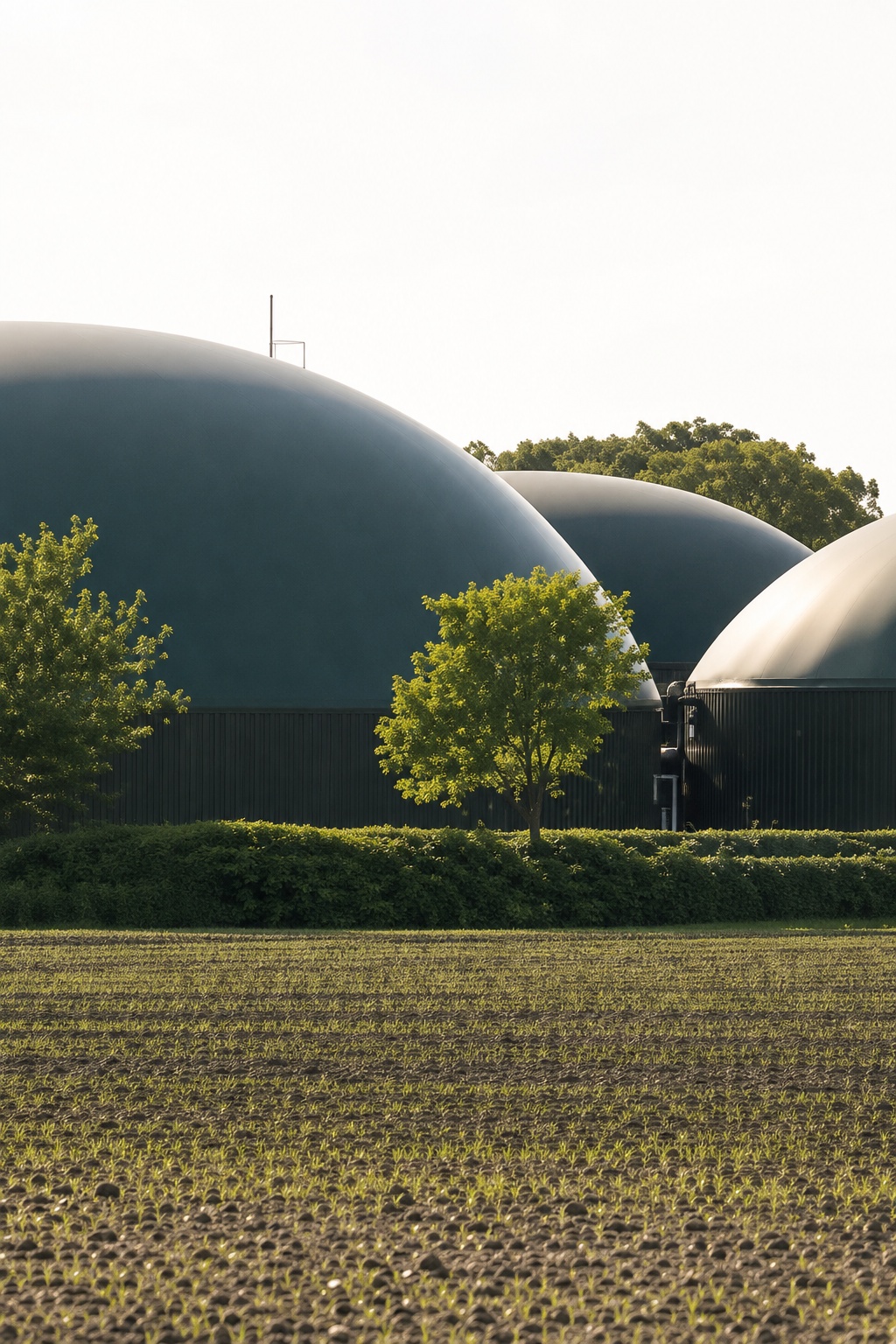
Biomethane in Ireland is at an inflexion point. The National Biomethane Strategy, launched in May 2024, commits Ireland to producing 5.7 TWh of indigenously sourced biomethane annually by 2030, roughly 10% of national gas demand. Achieving that requires 140 to 200 new anaerobic digestion facilities, a functioning demand-side market, and a professional commercial framework that does not yet exist at scale.
The policy framework is gradually emerging. Starting in 2026, the Renewable Heat Obligation will enforce mandatory blending requirements for heat suppliers. Up to €200 million in capital grant funding has been allocated through the Sectoral Capital Plan 2026–2030. The Renewable Transport Fuel Obligation and the Advanced Biofuel Obligation will generate further demand for certificates.
The Commercial Challenge for Biomethane Developers
- Securing a defined route to market
A biomethane facility without a structured offtake or trading arrangement is exposed to merchant risk from day one. Developers need a credible gas sales route, whether through direct supply agreements, aggregated offtake, or wholesale gas market participation, before lenders will engage seriously with project financing.
- Monetising certificates and scheme entitlements
The revenue stack for biomethane development in Ireland extends well beyond gas sales. RHO certificates, RTFO certificates, Guarantees of Origin, and advanced biofuel designations each add value, but only if they are correctly qualified for, accurately tracked, and actively traded. Leaving certificate value unrealised is a common and avoidable source of revenue leakage.
- Navigating the regulatory framework
The biomethane strategy in Ireland has introduced multiple overlapping obligations, schemes, and compliance requirements. Gas network injection agreements, NORA certificate registration, RHO scheme qualification, and RTFO eligibility all interact in ways that create risk for developers without dedicated regulatory expertise.
- Demonstrating bankability to lenders
Biomethane projects are capital-intensive. Lenders want to see revenue models that are based on real-world market conditions, plausible downside scenarios and proof of professional management. Projects without a structured commercial framework increasingly struggle to reach financial close on acceptable terms.
How Captured Carbon Supports Biomethane Projects In Ireland
Captured Carbon works with biomethane developers as trading partners, revenue advisors, and compliance specialists. The aim is to turn production capacity into a structured, defensible, and financeable revenue stream.
- 1. Gas trading and offtake structuring
Biomethane produced and injected into the national gas grid needs an active trading strategy. Captured Carbon supports gas sales into wholesale markets, structures bilateral and aggregated offtake agreements and ensures that dispatch is timed to capture maximum value rather than defaulting to passive pricing.
- 2. Certificate trading and optimisation
We buy and sell RHO certificates, RTFO certificates, Guarantees of Origin and advanced biofuel designations to get the most value out of every unit produced. This includes help with qualification, registry management and active participation in the secondary market.
- 3. Regulatory scheme advisory
- 4. Financial modelling and bankability support
We develop revenue stack models for biomethane development in Ireland, calibrated to real market conditions including assumptions on gas prices, certificate values, scheme payment trajectories and downside scenarios. These models are designed to withstand lender and investor scrutiny, not to optimise a headline figure.
Revenue Streams for Biomethane Ireland Projects
Wholesale gas market
Renewable Heat Obligation certificates
Renewable Transport Fuel Obligation and Advanced Biofuel Obligation
Guarantees of Origin
Corporate offtake agreements
Biomethane Strategy Ireland: The Policy Context
The Biomethane Strategy in Ireland is one of the most clearly articulated renewable gas frameworks in Europe. The National Biomethane Strategy sets out 25 key action items across five pillars: feedstock supply, production, grid infrastructure, demand creation, and financial support. With Ireland holding one of the highest per-capita biomethane production potentials on the continent, and agriculture accounting for a major share of national emissions, biomethane in Ireland is not a niche sector. It is central to Ireland’s ability to meet its legally binding 2030 climate targets.
As of mid-2026, only two facilities are injecting biomethane into the national gas grid, producing approximately 75 GWh per year against a 5.7 TWh target. The gap between current production and the 2030 objective will need to be closed by the project pipeline. Developers with the right commercial framework, regulatory understanding, and route to market are well positioned to operate in a sector with strong structural demand and clear government support.
Who We Support
Industries We Support
Developers building new AD facilities need commercial structures in place before construction begins. Captured Carbon advises on route-to-market design, offtake structuring, and the certificate frameworks that underpin project economics.
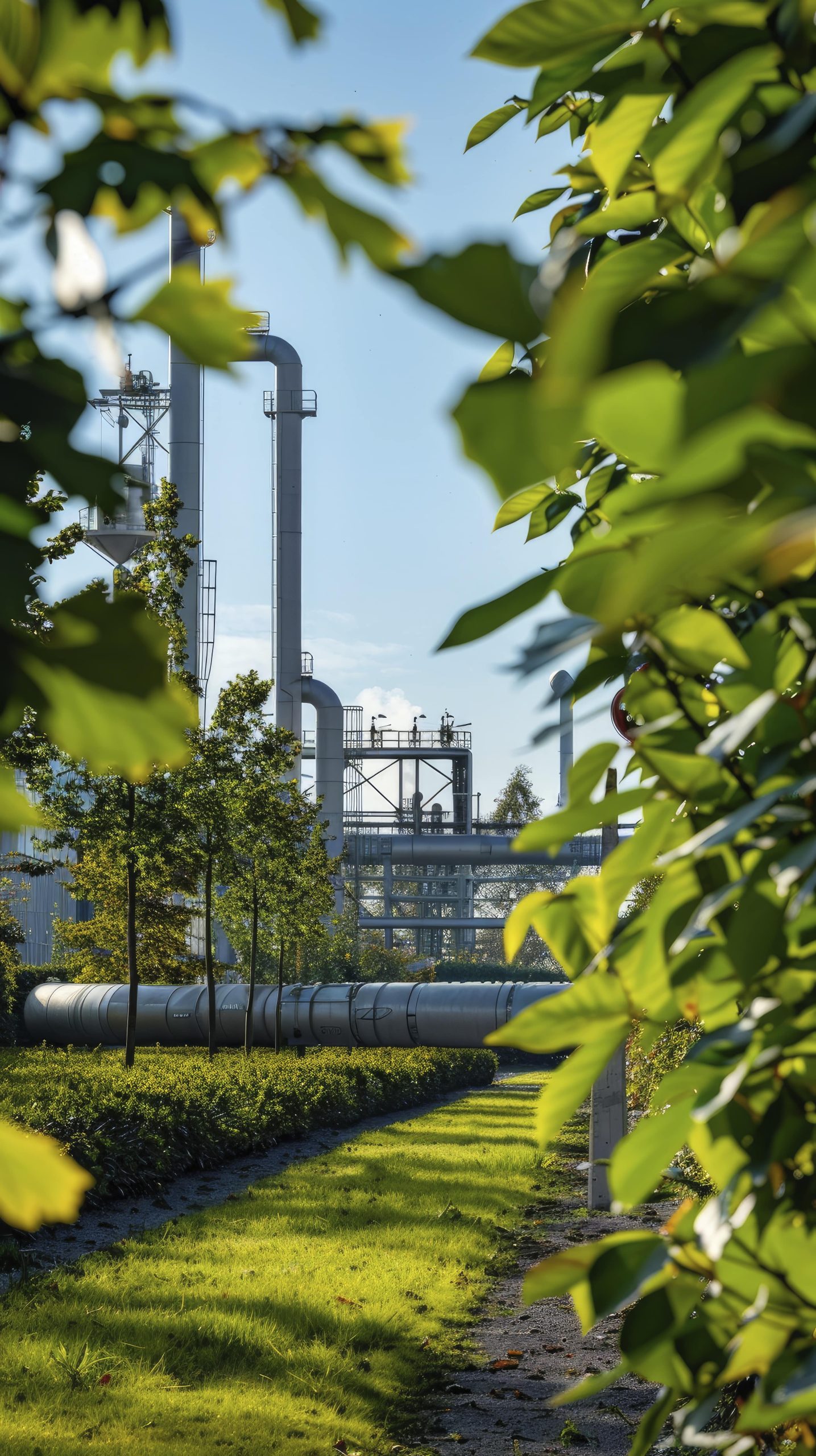
Operators converting biogas production to grid-quality biomethane face new requirements across gas network injection, certificate registration, and trading. Captured Carbon supports the commercial and regulatory transition.
Farm-based biomethane development in Ireland is strongly supported by policy due to the importance of agriculture in both feedstock provision and emissions abatement. Captured Carbon understands the economics of agri-biomethane and the specific compliance requirements that apply.
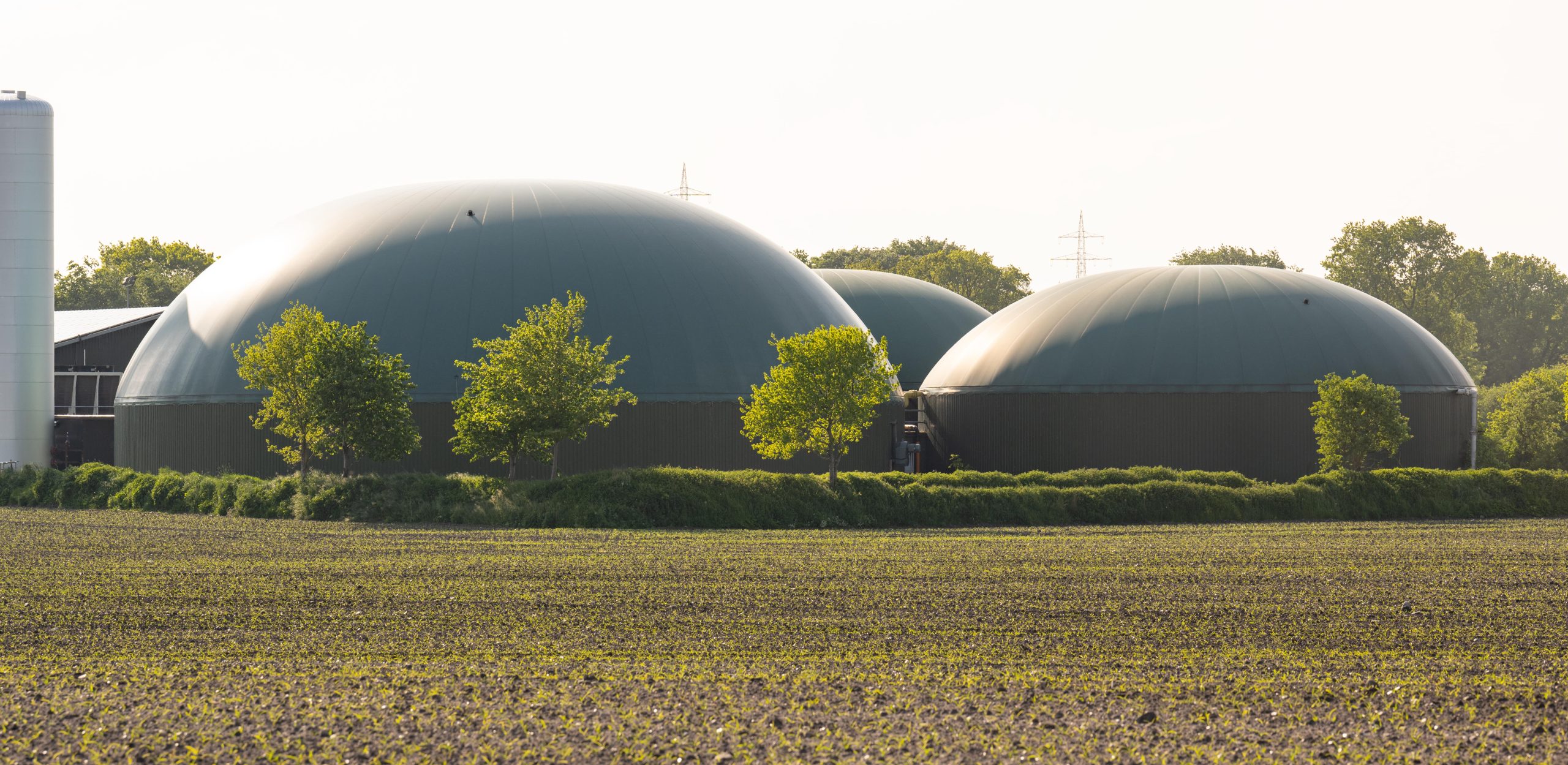
Investors evaluating projects involving biomethane in Ireland require independent commercial assessment, credible revenue modelling, and evidence of structured trading arrangements. Captured Carbon provides advisory support to investors and lenders assessing project viability.
Why Developers Work With Captured Carbon
- Live Irish market experience
- Certificate and compliance expertise
We have direct experience across RHO, RTFO, Guarantees of Origin, and NORA registration, the frameworks that define real revenue for biomethane producers.
- Lender-ready commercial frameworks
- Offtake and trading relationships
Our Process
- 1. Project and market assessment
We review production profile, feedstock, grid connection, and scheme eligibility to establish the commercial baseline.
- 2. Revenue strategy design
Gas trading, certificate, and offtake approaches are aligned with project economics and financing requirements.
- 3. Scheme registration and compliance setup
We manage NORA registration, RHO qualification, and any applicable RTFO or advanced biofuel certification processes.
- 4. Trading and certificate management
- 5. Reporting and governance
Contact Us
Get in touch for a consultation or energy review:
FAQs for Biomethane Ireland Projects
A: Biomethane is a renewable gas produced by upgrading biogas itself produced through the anaerobic digestion of organic materials such as agricultural waste, food waste and energy crops to natural gas quality. It is chemically identical to fossil gas and can be injected directly into the existing gas network.
A: Ireland’s National Biomethane Strategy commits to producing 5.7 TWh of indigenously sourced biomethane per annum by 2030, representing around 10% of national gas demand. Achieving this requires between 140 and 200 new anaerobic digestion facilities.
A: Revenue comes from a combination of wholesale gas sales, RHO certificates, RTFO and advanced biofuel certificates, Guarantees of Origin, and corporate offtake agreements. The relative contribution of each stream depends on project scale, feedstock and commercial structure.
A: The Renewable Heat Obligation is a policy to be introduced in 2026 which requires suppliers of fossil fuel heat to source an increasing proportion of their heat from renewable sources, starting at 1.5% and rising to 10% by 2030. Biomethane producers will be issued RHO certificates by NORA for each unit of eligible production, which will be purchased and surrendered by obligated parties. This creates a defined, obligation-driven demand for Irish biomethane.
A: Lenders like certainty of revenue. A structured gas offtake agreement, scheme contract or long-term supply agreement will go a long way to improve the terms of financing and reduce the cost of capital. Merchant-only structures are possible but face greater scrutiny at the credit stage.
A: Captured Carbon acts as a trading partner, route-to-market advisor, and compliance specialist for biomethane producers. This covers gas trading, certificate management, scheme registration, financial modelling, and ongoing performance reporting the full commercial framework that turns production into bankable revenue.