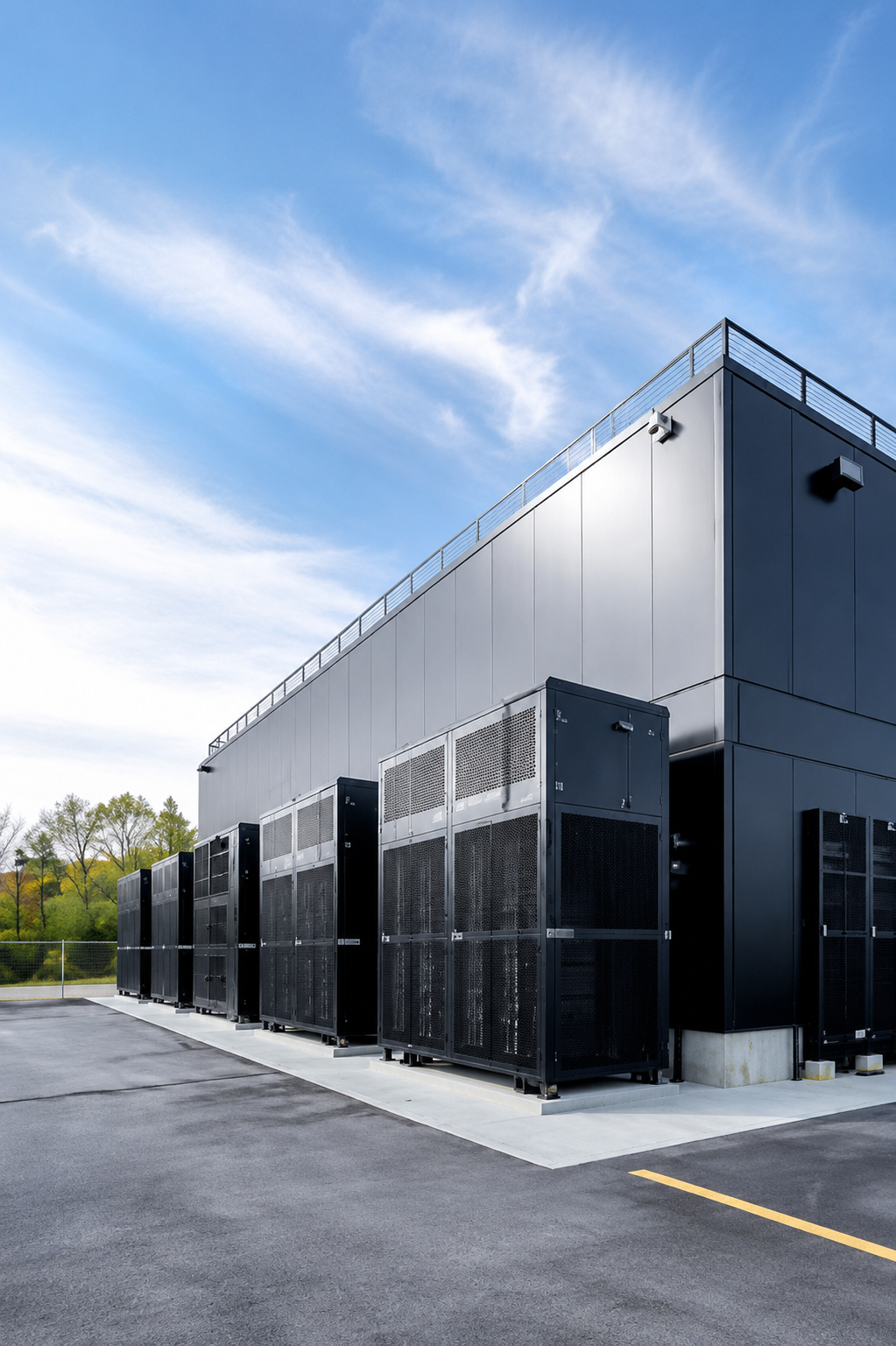
Battery energy storage

Battery Revenue Optimisation for Energy Storage Assets

A practical route to market for battery developers and owners focused on durable, financeable revenues.

Introduction

Battery energy storage is now an established part of the Irish power system, with more than 1GW of installed battery capacity connected across the island of Ireland. As the market matures, revenue strategies are shifting away from reliance on fixed ancillary service contracts towards increasingly merchant-driven income streams. This transition is being accelerated by the evolution of the DS3 framework, where historically regulated tariff structures are moving toward more competitive daily auction mechanisms.

For battery developers, investors, and asset owners, revenue optimisation has become central to long-term project performance. Irish BESS assets no longer rely on a single contracted revenue stream. Instead, project returns depend on successfully stacking revenues across wholesale trading, balancing markets, ancillary services, and capacity mechanisms while carefully managing degradation, cycling, and operational constraints.

In this environment, battery revenue optimisation is not simply about maximising short-term trading opportunities. It is about creating stable, financeable, and defensible revenue strategies that can withstand increasing market volatility and lender scrutiny. Poor optimisation can materially reduce asset value through inefficient dispatch, unnecessary degradation, and exposure to unpredictable merchant risk.

As the Irish electricity market continues to evolve under higher renewable penetration and more dynamic grid conditions, battery operators require sophisticated dispatch and trading strategies aligned with both commercial performance and technical asset management. Captured Carbon supports battery owners and developers through battery revenue optimisation and trading advisory services tailored specifically to the Irish and wider SEM market, with a focus on revenue stability, operational discipline, and long-term asset performance.

 As an established electricity trader and consultant, Captured Carbon forms the bridge between renewable generation and corporate demand. We provide bankable routes to market, ensuring that renewable assets are not only operational but also commercially optimised for long-term viability. 

Challenges for Battery Developers and Owners

As the Irish battery market matures, many energy storage projects are becoming increasingly exposed to merchant revenues rather than fixed ancillary service payments. The transition of DS3 services toward competitive daily auctions is increasing revenue volatility and making long-term forecasting more challenging. Without a clearly defined battery revenue optimisation strategy, developers and lenders can struggle to demonstrate stable and predictable debt service coverage within the Irish SEM market.

Most batteries rely on a combination of arbitrage, capacity, and system services. Coordinating access to these markets while staying within technical limits is complex. Without experienced oversight, projects can miss value or take on unnecessary operational risk.
Chasing short-term prices can drive excessive cycling. Over time, this accelerates degradation and erodes usable capacity. Strong performance depends on knowing when not to dispatch as much as when to do so.
Investors and lenders now expect transparent modelling, realistic assumptions, and evidence of competent trading and optimisation. Projects without battery revenue optimisation often face delays, reduced leverage, or higher cost of capital.

How Captured Carbon Supports Battery Assets

Captured Carbon works alongside developers and owners as dispatch optimisation advisors and trading partners. The focus is on extracting value across relevant markets while maintaining operational control and credibility with financiers.
Dispatch choices are based on current market conditions, technological limitations, and the assets’ long-term health. The energy, capacity, and system service markets all share capacity based on actual price signals and degradation impacts, rather than just following news spreads.
Revenue sources are managed together, not in isolation. Activity across day-ahead, intraday, capacity, and ancillary services is planned as a single operating strategy. Our battery revenue optimisation approach lowers reliance on any one market and creates more stable overall returns.
Dispatch decisions are supported by forecasting tools that account for price volatility, grid conditions, state of charge, and cycling impact. The aim is consistency and repeatability, not one-off optimisation wins.

Core Revenue Streams for Battery Projects

Energy Arbitrage

Arbitrage is becoming an increasingly important revenue stream within the Irish battery market following recent market upgrades that enable more effective battery participation in wholesale trading, alongside ongoing reviews of import tariff structures that improve arbitrage economics. As these changes make merchant trading more attractive, successful battery revenue optimisation depends on carefully managing cycling strategies. Charging and discharging windows must be selected to capture price spreads and trading value without accelerating degradation, increasing unnecessary wear, or forcing operation during marginal market conditions.

Capacity Market Participation

Capacity mechanisms can provide a stable income when properly modelled and managed. Captured Carbon supports qualification, performance modelling, and ongoing compliance to ensure revenues are realised as forecast.

Ancillary and System Services

Fast-response services such as frequency response and reserve often deliver strong returns. These services are integrated into dispatch strategies without compromising availability or technical limits.

Financial Modelling and Bankability Support

Captured Carbon makes financial models for lenders that are based on how dispatches really work in the real world. These help you decide what purchases to make, how much debt to take on, what the worst-case scenario would be, and how to test your assumptions. It is possible to find beliefs and check that they are in line with what is possible in the real world.

Ongoing Compliance and Revenue Oversight

Operational support extends beyond dispatch. This includes market compliance, settlement checks, reconciliation, and performance reporting. The objective of battery revenue optimisation is to ensure forecast revenues translate into cash received, without surprises.

Forecasting and Dispatch Optimisation

Battery value is driven by accurate forecasting and disciplined execution. Captured Carbon applies price, volume, and constraint forecasts to optimise dispatch decisions across competing revenue streams, ensuring the asset is positioned where value is highest while respecting technical and contractual limits.

Industries We Support

Industries We Support

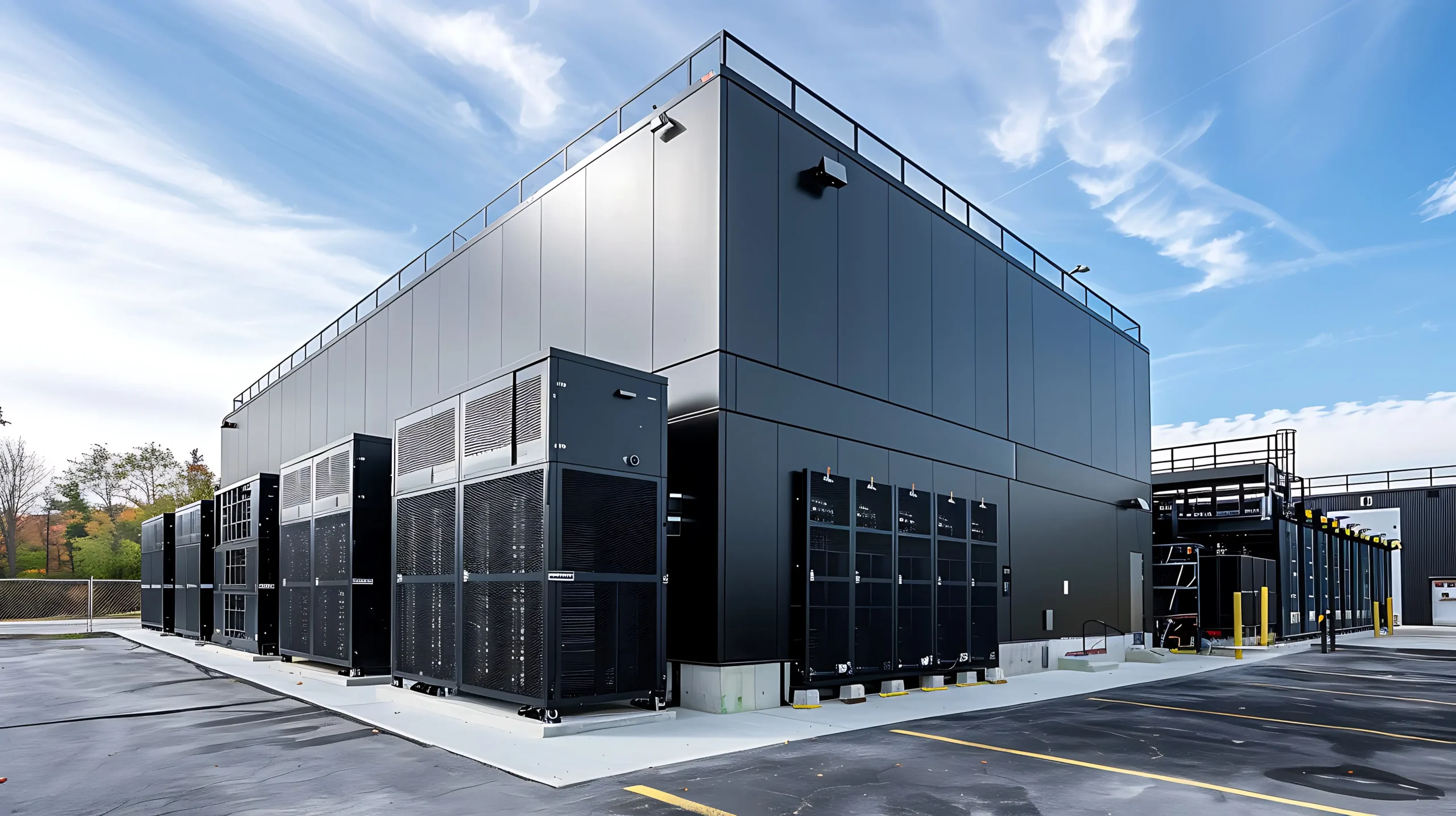
Standalone battery projects

Standalone assets rely entirely on market revenues. We help structure dispatch and trading strategies that balance arbitrage, ancillary services, and capacity participation while controlling downside risk.
Standalone battery projects
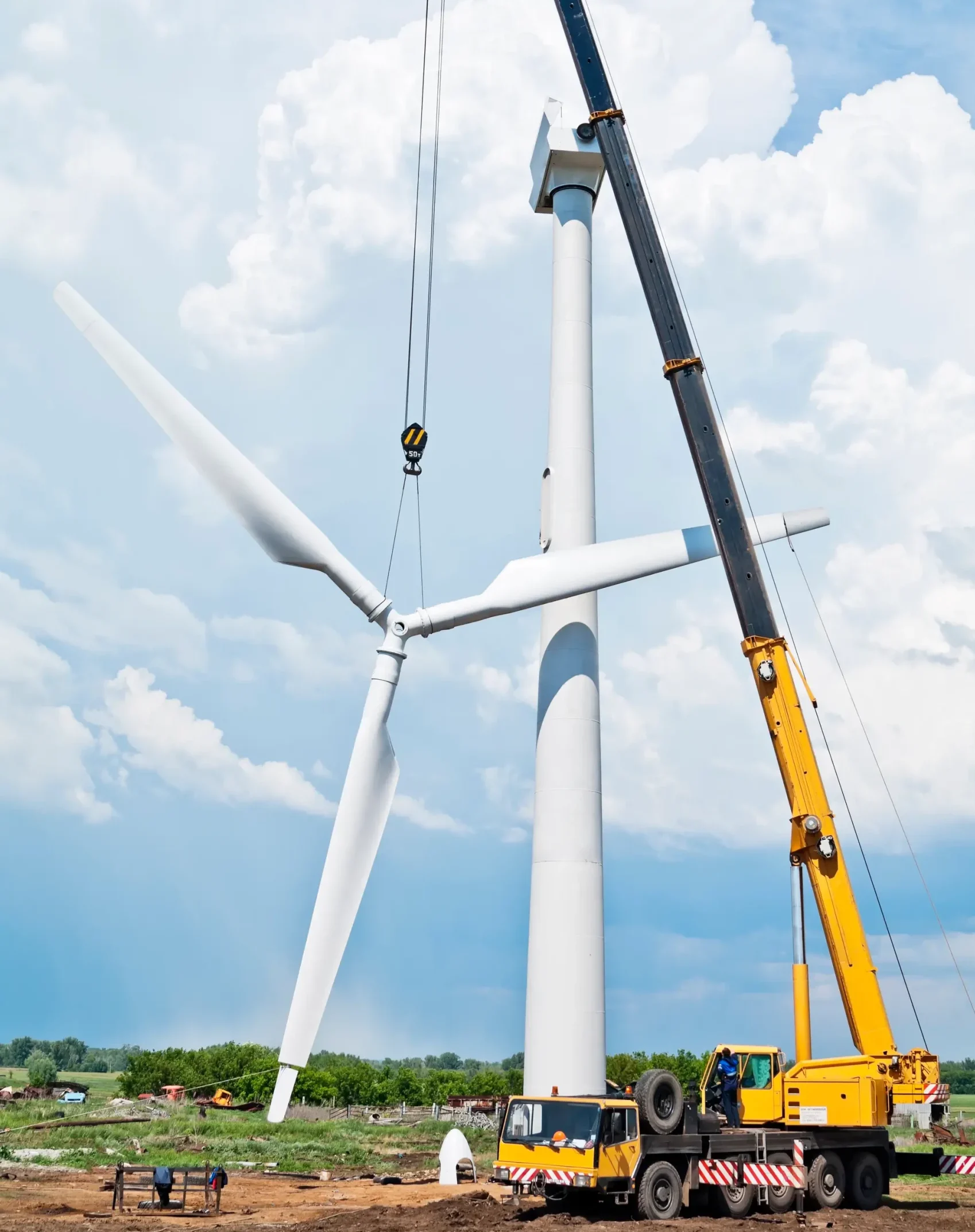
Co-located renewable projects

Batteries paired with wind or solar require integrated battery revenue optimisation. We support co-located assets by reducing curtailment exposure and coordinating generation and storage decisions.

Utility-scale storage portfolios

Large battery assets face strict availability and compliance requirements. Our approach balances revenue stacking with performance obligations and reporting standards.


Utility-scale storage portfolios
Commercial and industrial batteries

C&I systems must serve site demand first. As part of our battery revenue optimisation efforts, we support controlled market participation while maintaining reliability for the host facility.

Why Developers and Owners Work With Captured Carbon

Our work is grounded in how value is realised in live power and flexibility markets.
We are focused on asset performance and longevity, not short-term trading volumes.
Strategies are built to withstand scrutiny, with clear logic and transparent assumptions.
Optimisation decisions consider lifecycle value, not just immediate pricing signals.

Our Process

We assess technical limits, target markets, and any lender or funding constraints.
Dispatch and revenue stacking approaches are aligned with commercial objectives and risk tolerance.
We support onboarding, trading arrangements, and operational readiness.
Dispatch outcomes and market movements are monitored and adjusted over time.
Clear battery revenue optimisation reporting supports investors, lenders, and regulatory requirements.

Get in touch for a consultation or energy review:

FAQs for Battery Developers and Owners

A: It is the structured management of dispatch across multiple markets to maximise returns while protecting asset life.
A: Relying on a single market increases risk. Stacking improves income stability and strengthens the financing case.
A: Yes. Poor dispatch accelerates wear. Degradation-aware strategies help preserve long-term capacity.
A: It is becoming increasingly difficult. Lenders expect evidence of professional dispatch and trading oversight.
Scroll to Top